
Key Differences Between Water Jet Looms and Circular Looms in Plastic Tarpaulin Production
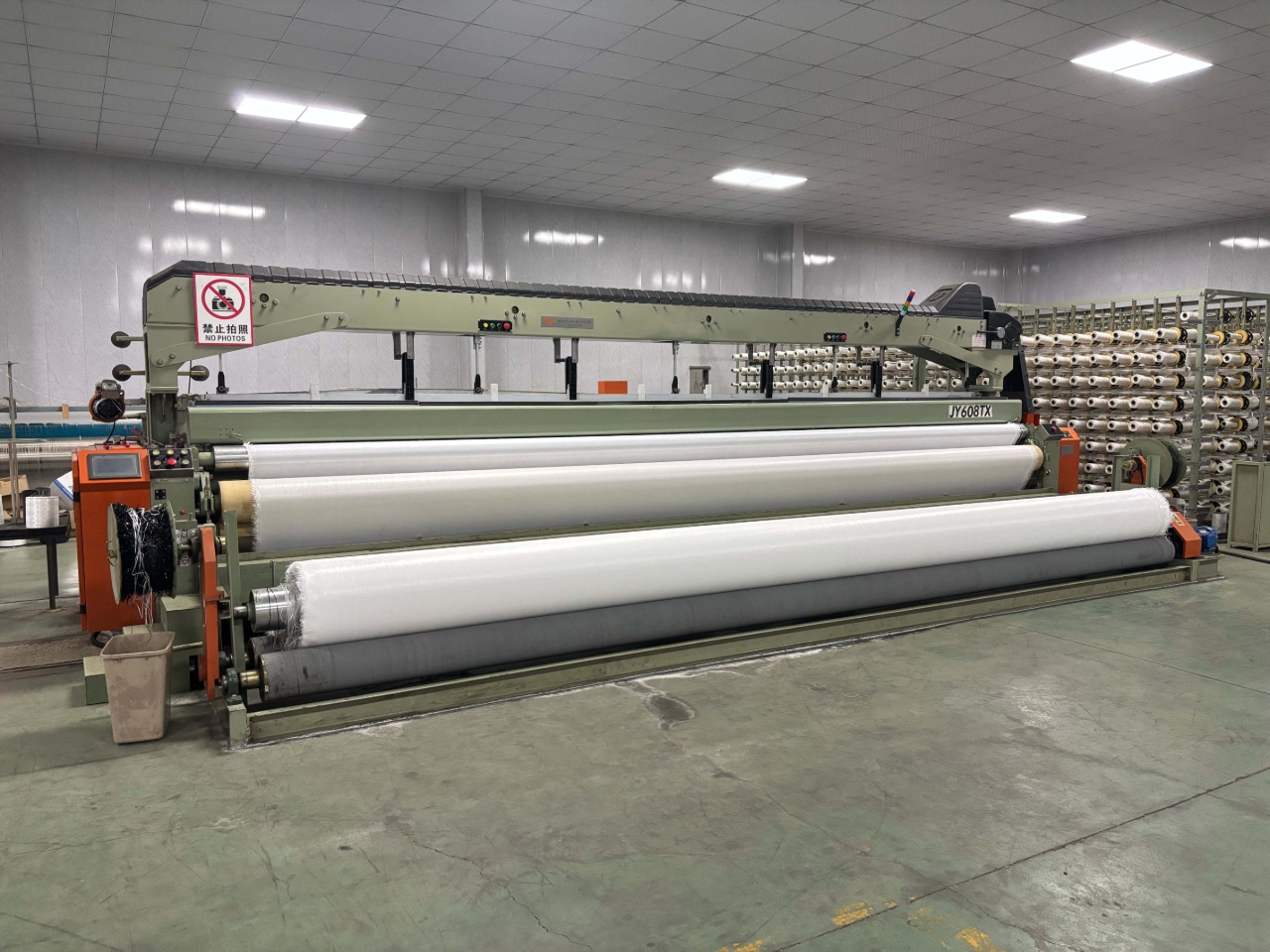
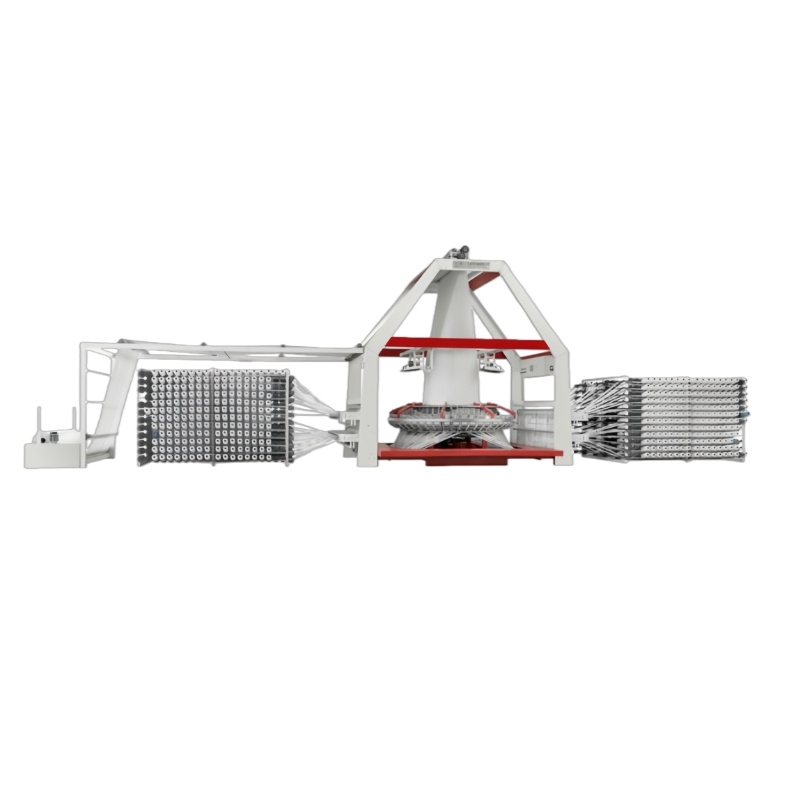
The core differences between water jet looms and circular looms for plastic tarpaulin production lie in the weft insertion method, fabric structure, process characteristics and application scenarios. Water jet looms are suitable for thin, dense and high-toughness tarpaulins, while circular looms are specialized in thick, high-strength industrial tubular fabrics. A detailed multi-dimensional comparison is as follows:
Overview of Core Differences
Comparison Dimension | Water Jet Loom | Circular Loom |
|---|---|---|
Weft Insertion Principle | High-pressure water flow pulls the weft yarn into the shed with a plain shedding mechanism and an independent beating-up unit | Weft shuttles move circumferentially to thread through warp yarns; no dedicated beating-up unit, and beating-up is achieved by the shuttle rollers pulling yarns toward the ring gauge |
Fabric Form | Flat-width fabric, wound into sheets | Cylindrical tubular fabric, requiring subsequent slitting into flat cloth |
Raw Material Compatibility | Mainly PE/PP filament yarns, suitable for hydrophobic fibers and thin, dense tarpaulins | Mainly PP/PE flat yarns, suitable for flat yarn raw materials and thick, tough woven fabrics |
Fabric Surface Characteristics | Smooth surface, high density, excellent water resistance and strong aging resistance | Rougher surface with clear texture, high tensile strength and good wear resistance |
Production Efficiency | High weft insertion speed and efficiency, suitable for large-scale continuous production | Moderate speed, suitable for batch production with relatively convenient specification change |
Energy Consumption & Environment | Low energy consumption, requiring supporting water treatment systems | Moderate energy consumption, relatively high noise, no wastewater discharge |
Application Scenarios | High-end tarpaulins, waterproof oilcloths, tent fabrics, etc. | Ordinary tarpaulins, woven sacks, geotextiles, flexible intermediate bulk containers (FIBCs), etc. |
Key Technical Details
Weft Insertion & Shedding System
- Water Jet Loom: Adopts high-pressure water flow for weft insertion with a plain shedding design. The weft yarn is pulled through the warp shed at high speed by water flow, and the beating-up unit ensures tight bonding of warp and weft yarns for a smooth fabric surface. It is suitable for producing high-density, thin tarpaulins, especially for hydrophobic raw materials such as PE filaments. Meanwhile, the water flow can cool and lubricate the weft yarn to reduce static electricity.
- Circular Loom: Warp yarns are distributed circumferentially, and weft shuttles perform circumferential movement for weft insertion with cross shedding of warp yarns. There is no independent beating-up unit, and the process is completed by tension rods of shuttles driving rollers. It is suitable for PP/PE flat yarn weaving, producing tubular fabrics with stable structure, high tensile strength and thick, heavy-duty tarpaulins.
Raw Material & Process Compatibility
- Water Jet Loom: More suitable for PE filaments, polyester filaments, etc. Processes such as drying and calendering are adopted to improve the interlocking degree of warp and weft yarns, reduce gaps, and enhance water resistance and aging resistance. It is ideal for high-end tarpaulins with strict requirements on appearance and water proofing.
- Circular Loom: Takes PP/PE flat yarns as the core raw materials with a relatively simple process. Yarn is supplied by a warp beam rack, and the woven product is tubular fabric. Its density and strength can be adjusted by changing the specifications of flat yarns, making it suitable for industrial tarpaulins, FIBCs and other products with high strength requirements.
Products & Application Scenarios
- Water Jet Loom Tarpaulins: Featuring delicate surface and excellent water resistance, they are suitable for outdoor tents, high-end sunshades, precision equipment covers, etc., with both aesthetic appeal and performance.
- Circular Loom Tarpaulins: With rugged texture, high tensile strength and wear resistance, they are suitable for truck tarpaulins, open storage yard covers, outer layers of greenhouse films, etc., boasting high cost performance and adaptability to harsh environments.
【Selection Recommendations】
- For producing high-end, thin and lightweight tarpaulins with strong water resistance, prioritize water jet looms and match them with PE filament raw materials to improve product added value.
- For manufacturing ordinary industrial tarpaulins and pursuing a balance between cost and efficiency, circular looms are a better choice. They are compatible with PP flat yarns, with mature technology and low maintenance costs.